A Few Warm Thoughts for a Cold Month


This January has been long and snowy and busy here in New England – but I am sticking with my goal of posting monthly and so here are just a few warm thoughts on the last day of a cold month.
I have big news to share in February, so stay tuned!
BE THE SPARK - Thoughts on Teaching and Learning
We've known for quite some time now that faculty-student relationships are key to student engagement, motivation, and learning. But those of us in the business of writing and talking about relational learning are always happy to see more confirmation of our hypotheses. A group of educational psychologists just published a meta-analysis of all the studies demonstrating that attention to faculty-student relationships relate to student success. You can read it here. I can share from experience that this is the sort of study that will be more convincing when talking to folks from more quantitative disciplines.
 View author profile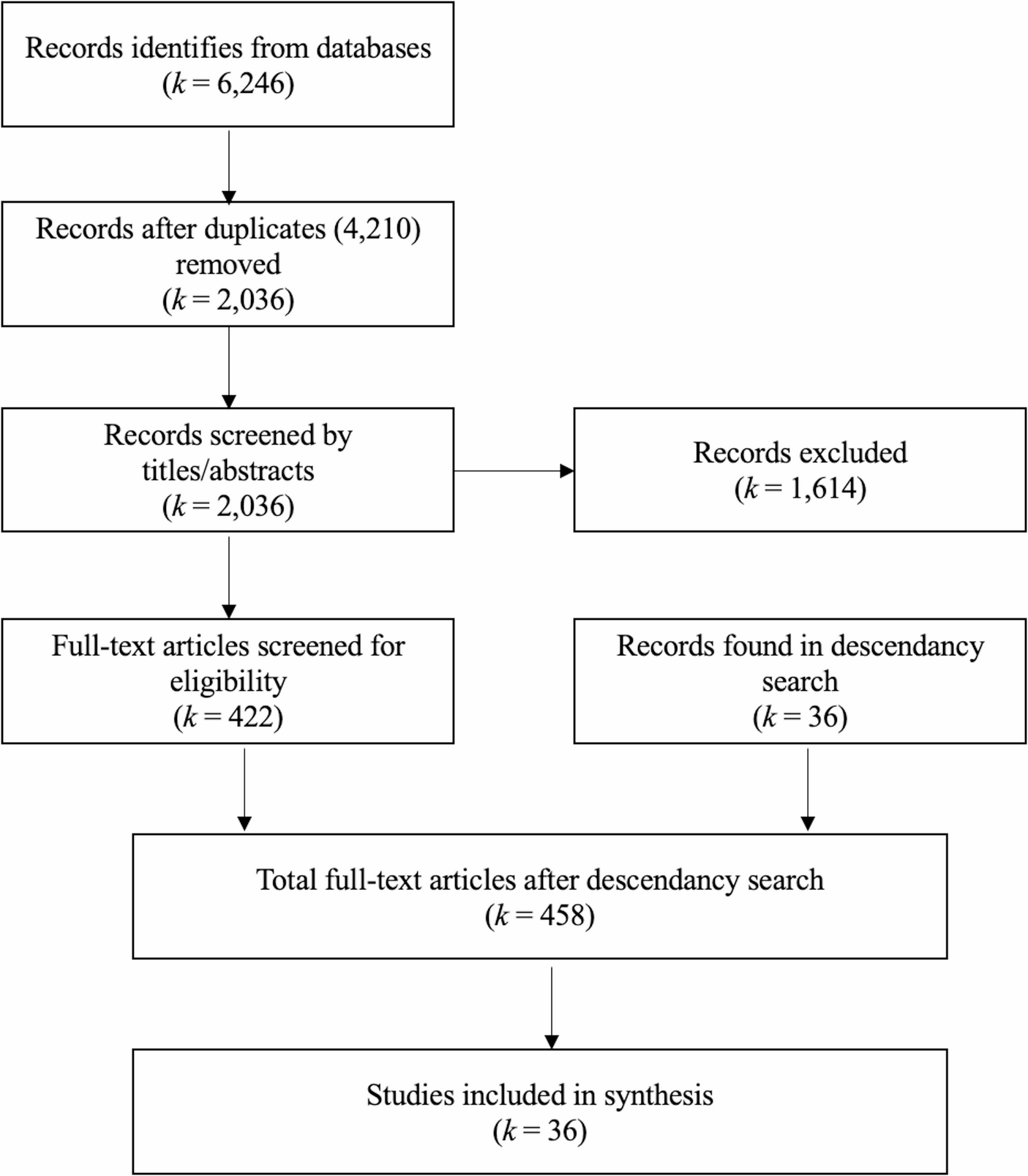
In other educational psychology news, playing next on my commute will be this American Psychological Association podcast interview of Terrell Morton, Whitney McCoy, and ReAnna Roby about their recent article providing a critical analysis of motivation theories in education that were normed on white students.
In more personal news, this month I was thrilled to join my supervisor and friend Jennifer Herman, Executive Director of the Center for Faculty Excellence in an essay on faculty renewal for The Chronicle.
Is this essay a meeting of the minds? Clearly yes. Is it a bit of an homage to our work together over the last four years? Definitely. Is it the softest of launches for something else? Only time will tell.
I was also thrilled to join Christopher Richmann of Baylor University on the Professors Talk Pedagogy podcast to talk about how to marry care and compassion in the classroom with high expectations and challenge. Listen here, or wherever you get your podcasts!
INCIDENTALLY - That Viral TV Show
Ok, so I made it sound like I've been so very busy with work and I certainly have been, but I must confess that it hasn't all been work occupying me. I have, like so many people, also fallen down a fandom rabbit hole in a way I haven't done in decades. I may have been demographically destined to do so*, but it doesn't make the experience any less consuming.
Help, Heated Rivalry has eaten my brain. So much ink has been spilled by people trying to understand the viral phenomenon that this show is, but my favorite is this essay by Jenka Gurfinkel.
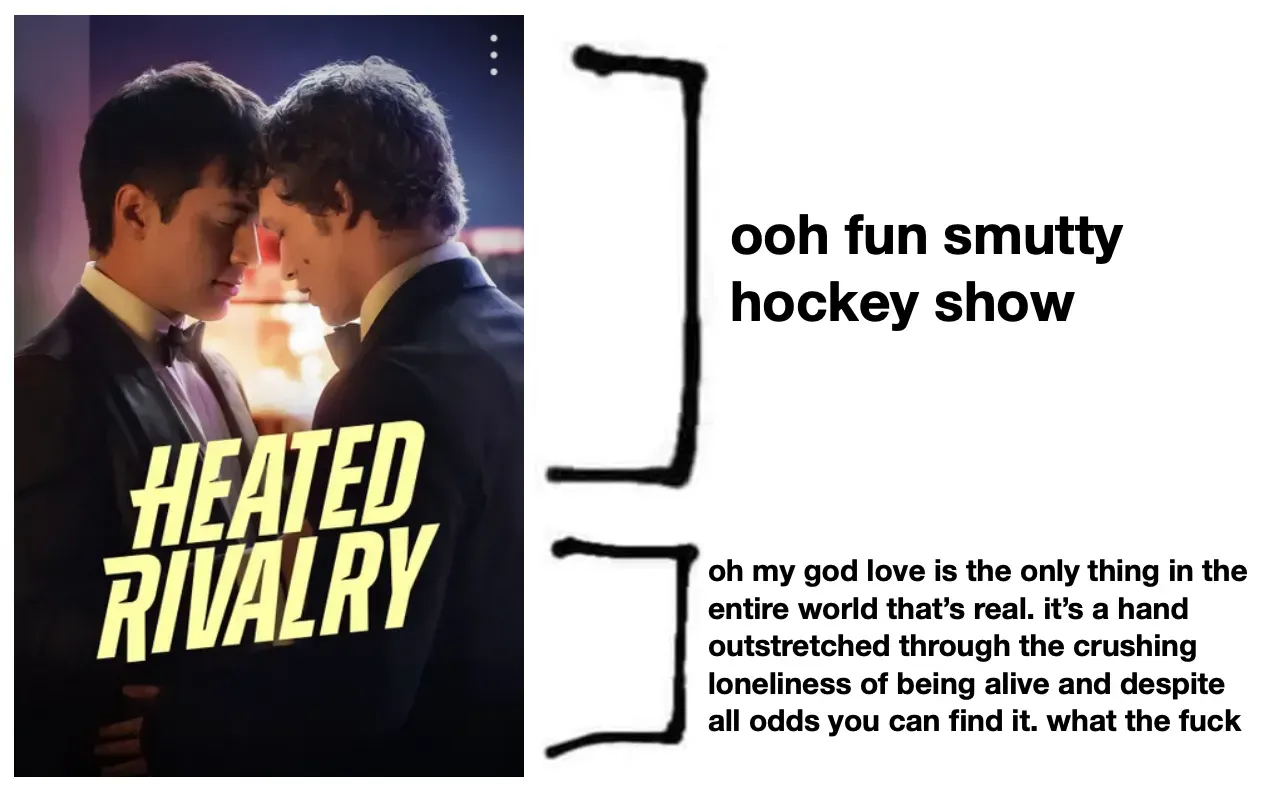
There are a lot of different theories trying to explain the show's unusual success. But I think Jenka nails it. It is about the joy, folks. Unbridled joy. And it stands out in sharp relief from the overwhelming lack of joy elsewhere in our world, particularly in the onslaught of horrors that is our newsfeeds. But as Gurfinkel points out so well in her essay, the raw joy of the series also stands apart from most contemporary entertainment, where dystopian nightmares and realistic violence dominate – especially violence against women. Even romances and comedies take a sarcastic, guarded stance. Our screens pump out an endless supply of "cynical dystopia," and we've been beaten down by it.
"So much of the media Hollywood serves up is cynical dystopia because its creators are influenced by the cynicism of the world they themselves inhabit. It primes their perception and becomes reflected back to us through the lens of their own visions, melding the real and fictional. Art imitating life imitating art imitating life and on and on and on."
Heated Rivalry offers an alternative universe where characters are willing to be vulnerable and take emotional risks (spoiler: after a significant number of years), and this vulnerability pays off gloriously. Where deep care, consensual mutual pleasure, and adoration take center stage.
See you in February friends. Maybe I'll have emerged from the cottage by then.
*I'm Gen X so it was vampires not faeries.