Time Ticks On... and On


Just like that, it is November again, it is the holidays again, it is the POD Network conference again. This November was particularly November-y in New England, all hazy clouds and foliage and a general atmosphere of moody pause between the adventures of summer and the tumult of the holiday season.
This newsletter is coming to you a little later in the month than usual, but that too feels like November.
BE THE SPARK - Thoughts on Teaching and Learning
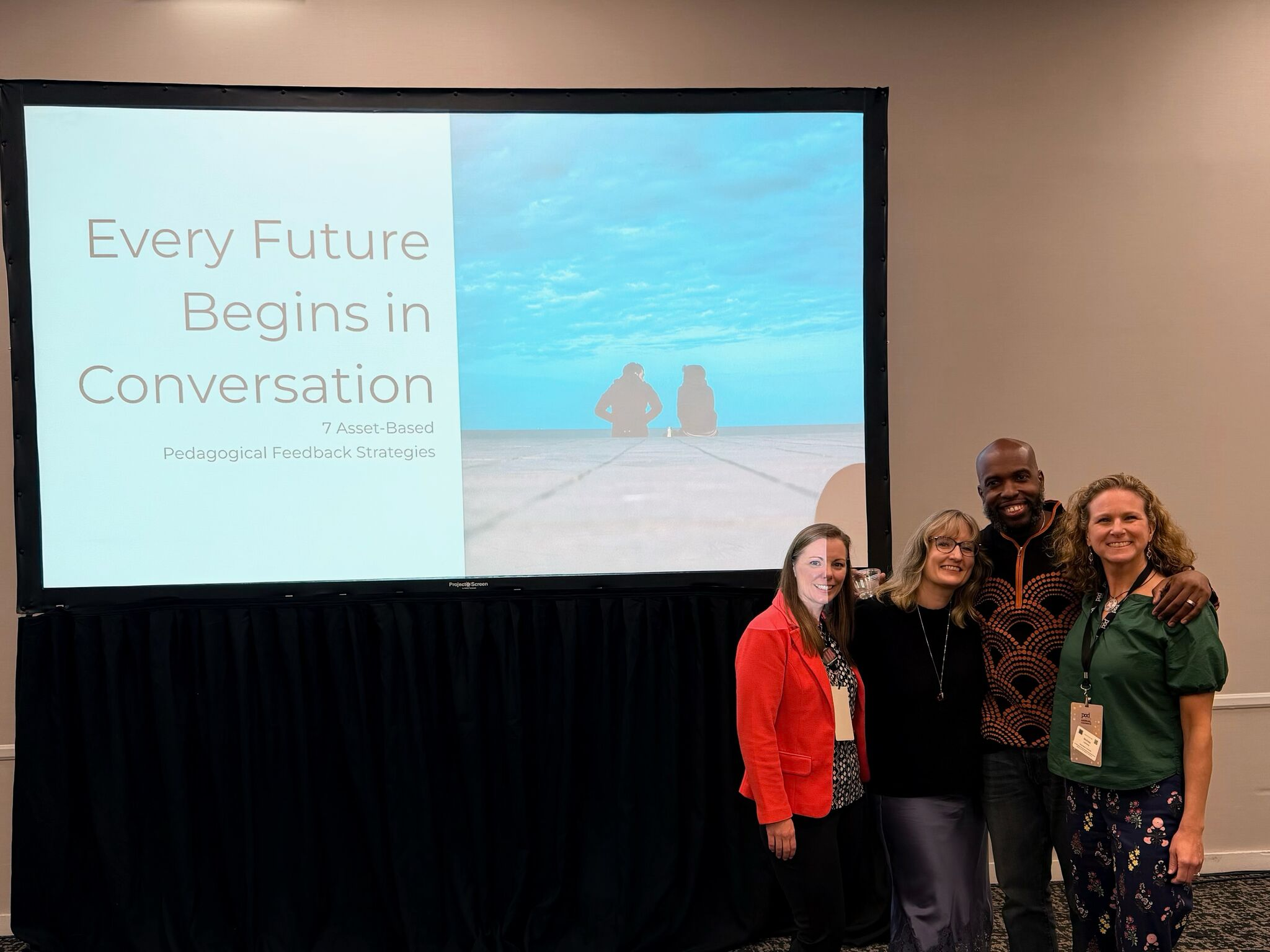
Speaking of POD, I recently returned from the annual meeting of educational developers reignited for our shared work in the world of teaching and learning. It was great meeting old friends and some new ones, admiring karaoke from the sidelines, and somehow missing nearly half the people I had said "let's catch each other at POD!" to over the last few months.
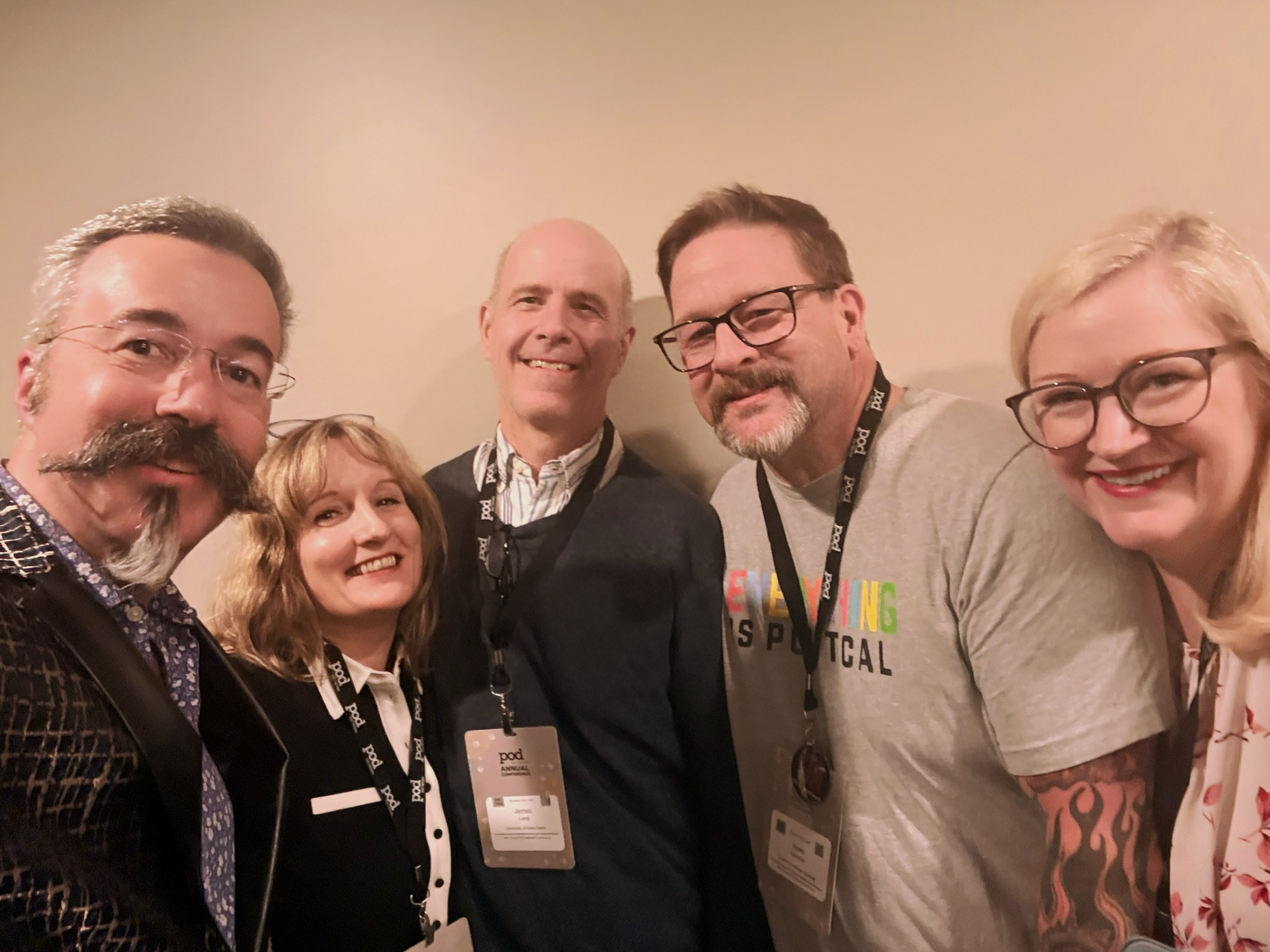
I was particularly grateful to my NSF grant network "TUnE-Bio" co-conspirators and all 79 people who showed up to converse with us about asset-based pedagogical feedback in the very last (non-anchor) session of the conference. For those who were interested in our workshop in a box but not able to make it, here are all the materials (start with the "START HERE" document). For those interested in hearing about additional feedback toolkits as our network develops them, sign up here for updates on our QUBES site. In a year or so we will also have the opportunity to apply for vouchers to fund some use of the toolkits in regional events.
In other teaching and learning news, Karen Costa and Niya Bond energized literally hundreds upon hundreds (some 500+ live, 900+ registered!) faculty, educational developers, and instructional designers in a webinar on the topic of how to meet the challenge of teaching online asynchronous courses in a world where generative AI is literally bundled into the LMS and all the major word processing software. (Not to mention the existence of bots that can complete entire courses with students not even reading the assignment or discussion prompts).
I wish I could say with that many brilliant thinkers in the room, we cracked the nut, we solved the problem. While we did not, it was reaffirming to be in a room full of concerned, dedicated educators, and I definitely recommend checking out the recording for some of the practical suggestions that came up.
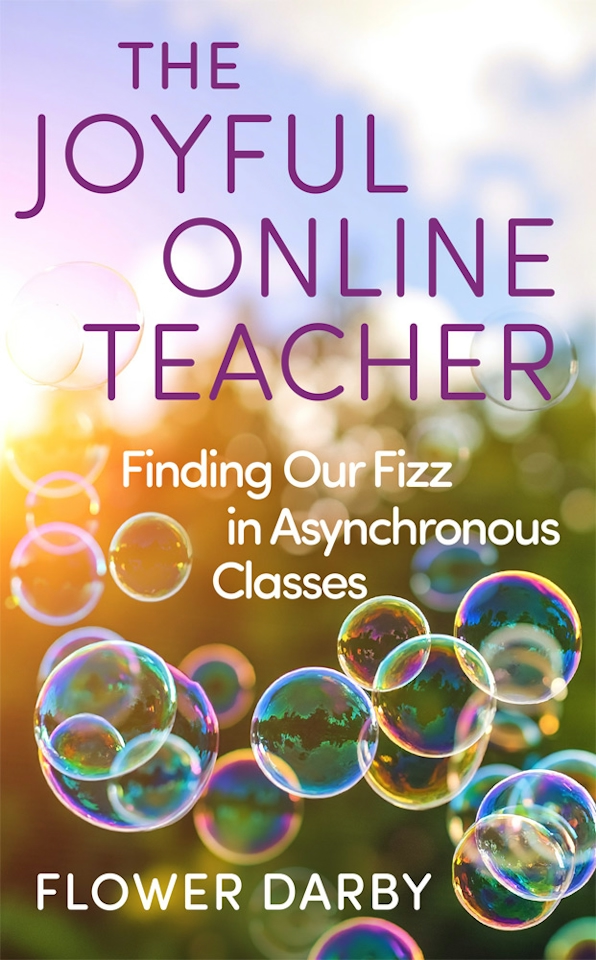
While we are here, I'd love to share three other resources related to teaching asynchronous courses and/or the threat of AI. First up is the exciting news that the great Flower Darby's new book on joyful asynchronous online teaching is available for pre-order! Click click click
If you are need some resources in the meantime, here is a wonderful open-source book from Katherine McAlvage and Nadia Jaramillo Cherrez, also on the challenge of inclusively teaching asynchronous online students: Inclusive Teaching Online: Evidence-Based Strategies to Support Student Success in Higher Education.
And finally, I had a lot of fun this fall playing Carter Moulton's Analog Inspiration card deck with some of my Simmons faculty – we used the old poker hand "pass the garbage" to choose our top AI-related teaching value. Here you can get your own copy of the deck, and here you can hear him chatting about the deck with the Bonni Stachowiak:
 Bonni Stachowiak
STRIVING - Emotion, Motivation, Our Synchronous Selves
How do our brains perceive time? The passage of it, the present moment versus the past and future, keeping track of how long you have to make popcorn before the commercial break is over? (No thanks to Amazon Prime for bringing this back as a modern reference).
This fascinating interview between two scientists who have recently written books on the concept of time makes me long to teach Brain & Behavior again so I could run a whole class session on the topic. Much like the rest of perception, turns out our brains create time.
I'll be chewing over sentences like, "I think we spatialize time much more than we temporalize space" for some time.
OUR MONSTERS, OURSELVES - Uncertainty, Challenges, Mental Health
One of the hardest things about the passage of time is that nothing lasts, but one of the most reassuring things about the passage of time is that nothing lasts. Pendulums swing on a steady rhythm.
This is excellent news when it comes to the youth mental health crisis. For years the news has been exceedingly bad, of sharp elevations in depression, anxiety, and self-harm among our youth. Dwindling future possibilities, the COVID-19 pandemic and lockdown disruptions, the pressures of social media... the causes are many and difficult to parse, but the outcome all alarming (and the topic of my last book, Mind Over Monsters: Supporting Youth Mental Health with Compassionate Challenge).
But as Anya Kamenetz reports in this essay, the most recent reports suggest the pendulum is swinging in the right direction. As always, bad news travels faster and further than good, and so these dawning signs of better mental health haven't gotten a lot of attention. There is also still a lot of work to be done, especially among young people from marginalized groups and from lower income backgrounds. But let's also celebrate the small wins.
 Anya Kamenetz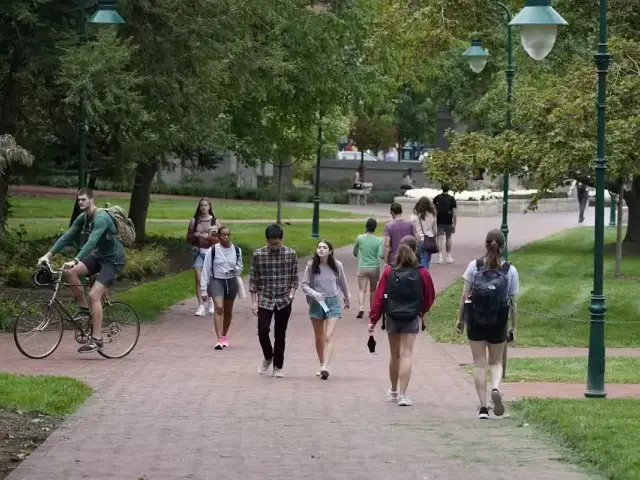
INCIDENTALLY - A Book for Your Winter Vacation
The close of November means that after the hectic end to the semester, many of us may be soon blessed with some downtime. If you are the bookish sort, do I have a recommendation for you: Wild Dark Shore by Charlotte McConaghy.
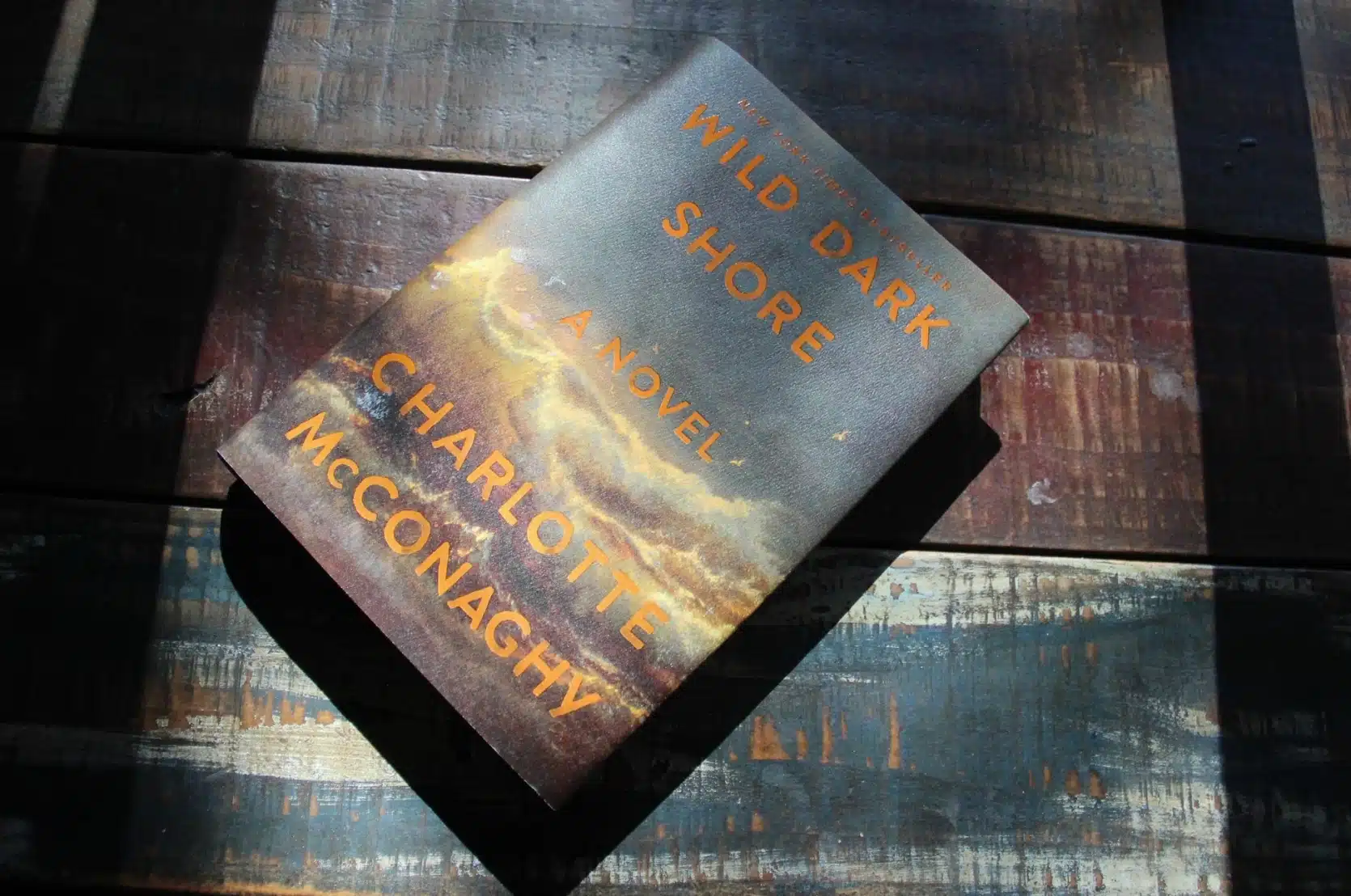
It has all the elements I adore in a novel: gothic plot, melodrama, intrigue, beautiful sentences, gorgeous visuals, hot romance, devastating love in all its forms (couple, parental, animal), and a moment when the novel takes your whole heart into its hands and then just rends it into pieces.
If you look too hard at the plot, it probably all falls apart (I refuse to look too hard) and if your tastes lean austere and removed, this is probably not for you.
But for everyone else – enjoy.