A Joyous May

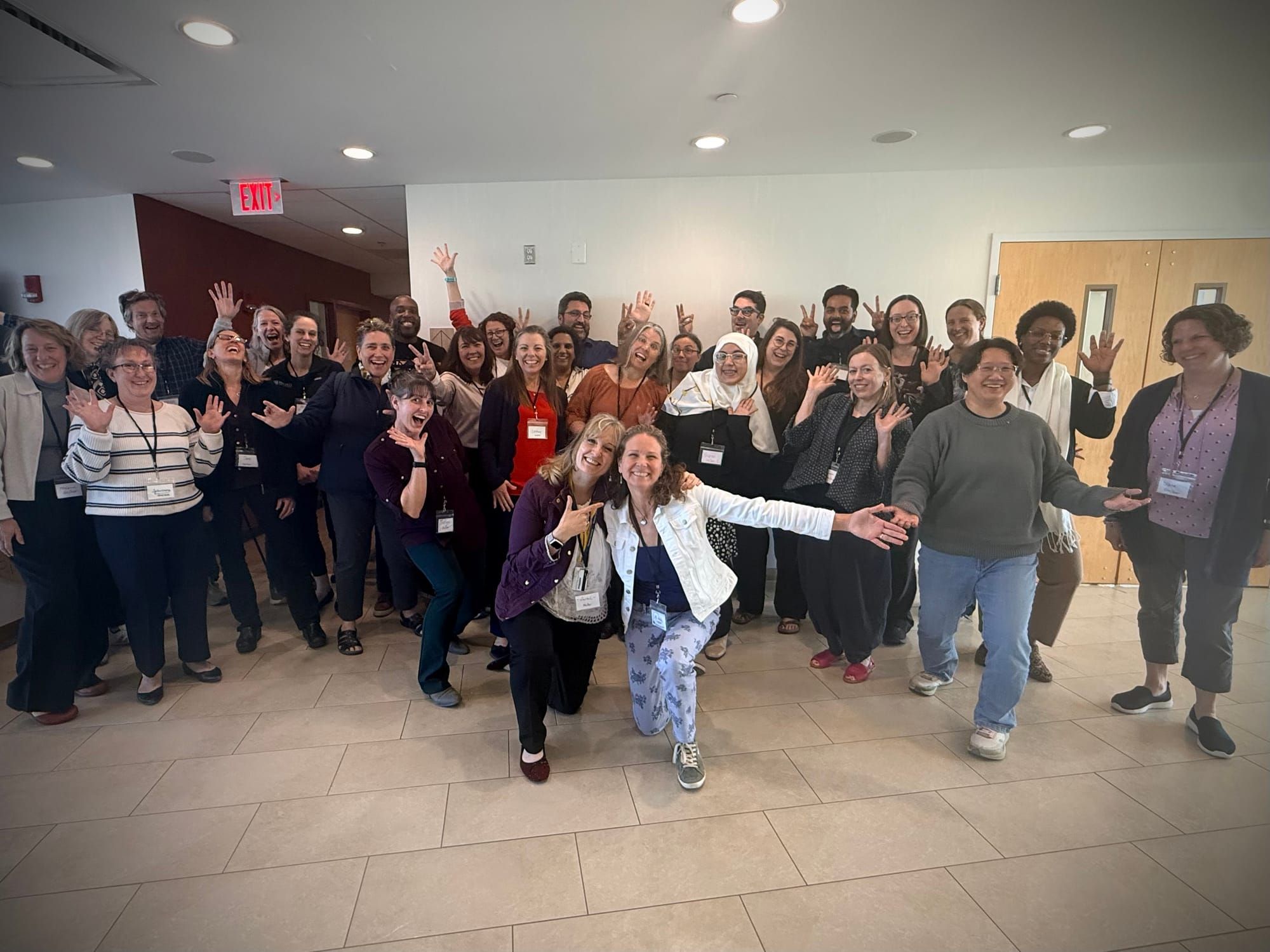
It has been a hellauva month, my friends, but one full of a lot of joy - hosting the main meeting of my NSF TUnE-Bio Network online and in Boston, celebrating Simmons Commencement by handing out diplomas to smiling students, and talking with faculty on several campuses about learning and mental health.
BE THE SPARK - Thoughts on Teaching and Learning
Long-time followers of this newsletter know that for the last half-decade or so, my collaborator and friend Michele Lemons and I have been developing a network of biologists and educational developers focused on improving pedagogical feedback in undergraduate biology and beyond.
For the last year, five Toolkit Working Groups (TWGs, pronounced "twigs") have been working hard to develop toolkits for faculty and educational developers to improve feedback in the process of teaching and learning. One is focused on the attributes of effective feedback; one on how to motivate students to read and implement feedback; one on improving peer feedback; one on implications of AI for feedback; and one on using classroom assessment techniques to increase and improve feedback. The toolkits vary in nature - some involve workshops-in-a-box, some interactive web tools, some guidebooks and handouts. At the meeting the five TWGs all presented their draft toolkits and received... (wait for it) lots of feedback from the whole network about what they loved, what could be improved, and what they wish/wondered/imagined the toolkit might do in the future.
We also ate, drank, Zoom-chatted, laughed, and built community. I can't convey the full extent to which this meeting warmed my heart, and the gratitude I hold for all our network members - tops among them of course Michele and our fabulous administrative assist Claire Venables (and to the National Science Foundation).
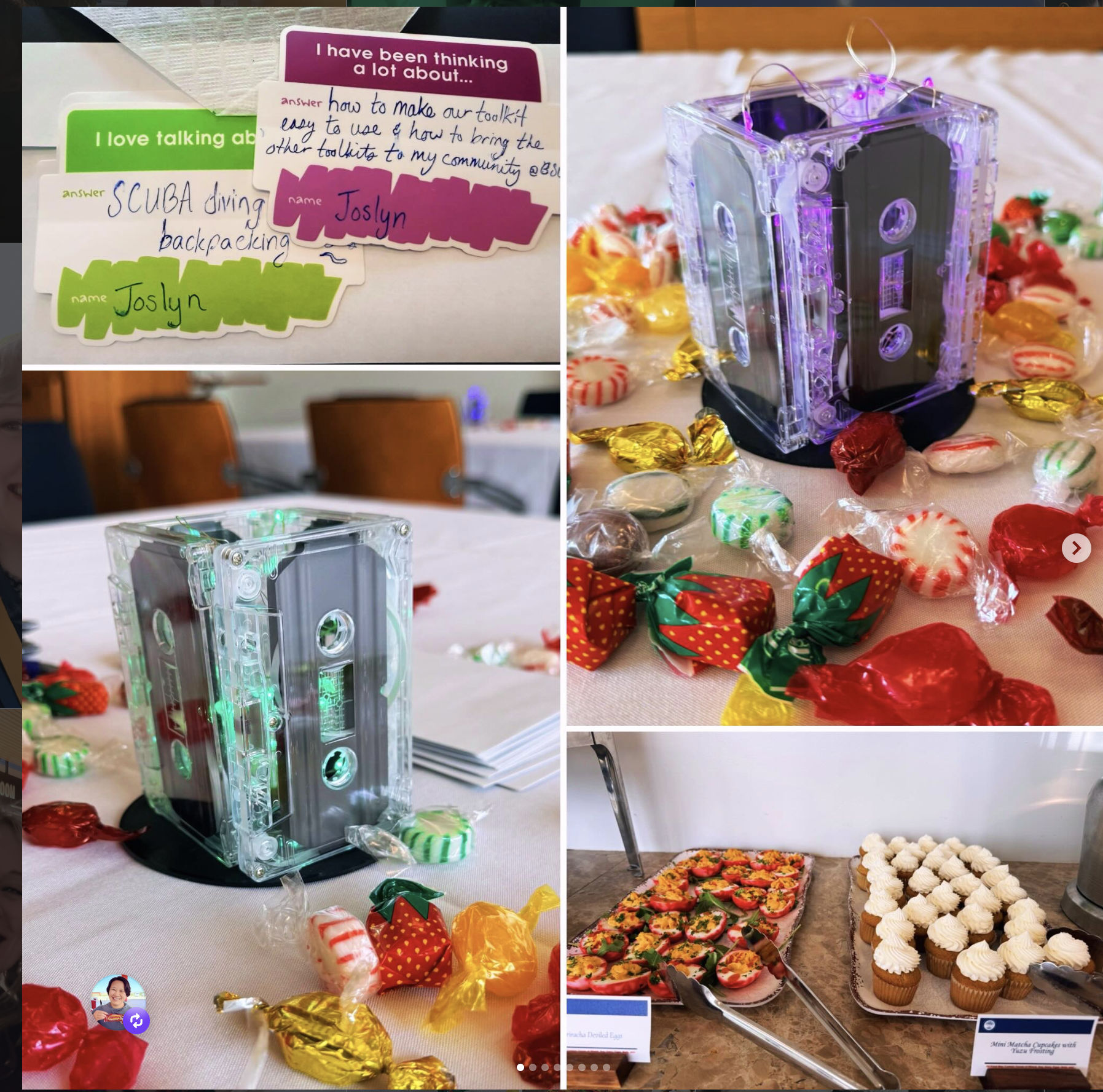
View this ^^ post on Instagram - and give me a follow if you wish
Over the next year the TWGs will refine their toolkits based on the feedback they receive, at which point we'll make them publicly available for anyone to use. The second phase of the grant involves applications for vouchers to fund some sort of regional, multi-institution event using some aspects of the toolkits. Stayed tuned on that latter development!
While we're discussing TUnE-Bio and matters teaching and learning, one of our network members Dan Guberman and co-authors have a new book out on applying self-determination theory to teaching and learning. Can't wait to read.
 Daniel Guberman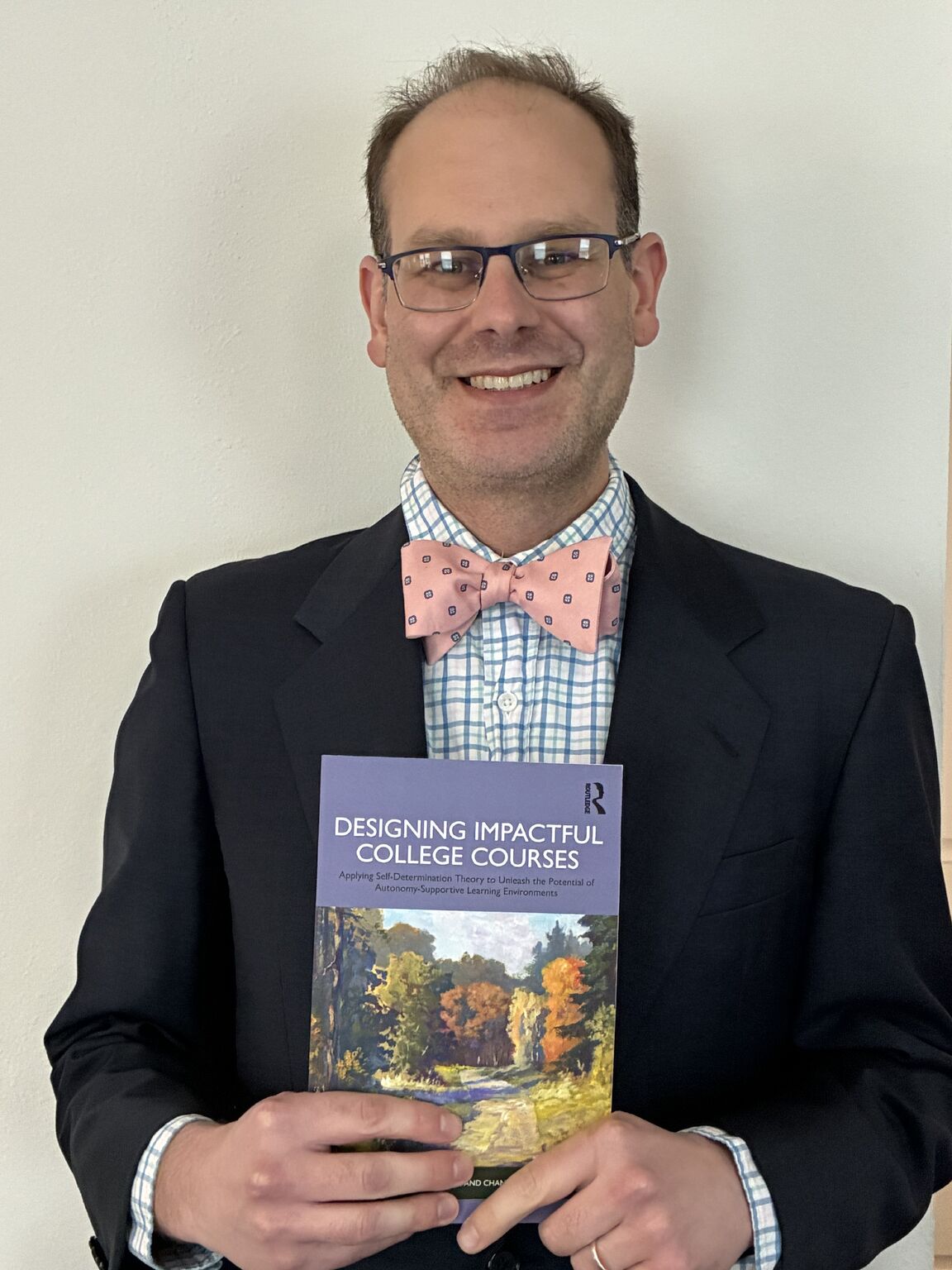
Another book that I am particularly excited about is Sarah Silverman's upcoming book on neurodiversity and teaching, which now has a title, a cover, and a pre-order link. Sarah is one of the most thoughtful, careful thinkers I've encountered - she has an unusual capacity for looking at a long-running issue from a completely fresh perspective. I love to read her. Check it out:
 Sarah E. Silverman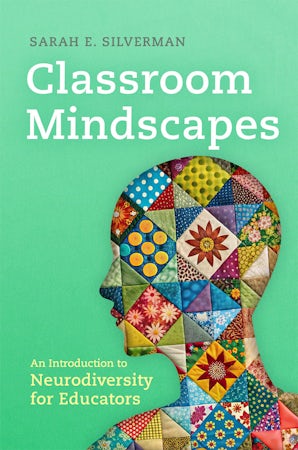
STRIVING - Emotion, Motivation, Our Synchronous Selves
A few years back, I spent several years immersed in the data on social media, smartphones, and well-being for my book HIVEMIND. My ultimate conclusion was that the impact of these social technologies on your mental health would be determined by how you used the tech rather than if you used it. If you were using social technologies to affirm and maintain existing social ties – posting images of your growing children for extended family to see and comment on, carrying on bantering back-and-forth with your grad school colleagues well after graduation – social media might be a net positive. If you were using these technologies instead in ways that eclipse social connections – checking gambling websites on a date, ignoring your child's bids for attention to answer work emails – social media was more likely to be a net negative. The data that had been collected to that point in time supported these points. Active social media use was better for well-being than passive or no social media use. Social media use could also "lower the bar of admission" to social interaction for people who were anxious, homebound for physical reasons, or living in communities that they didn't identify with.
Some seven years after publishing this book, my take on social media and wellness has.... soured. To say the least.
Happily for my resolution of cognitive dissonance, the great dana boyd just published an article arguing that what we have nowadays is actually no longer "social media" but "parasocial media." Which is a different beast entirely.
Gone are the days when social media was all flirting and joking and feeling immersed in a slipstream of your loved ones' lived experiences. Most people post a lot less, but few of us consume less. We're being forcefed a glut of "content" from brands and influencers and whoever paid to have their celebrity client's take on a controversy blasted to the masses (looking at you, Blake Lively/Justin Baldoni). It is satisfying to no one, and completely changes the landscape of understanding the impact of social technology on our individual and collective psyches.
"Friendship requires reciprocity and compassion. Parasocial media creates the conditions for people to objectify one another at a distance as mediatized objects, helping realize the different layers of toxicity that social media scholars document (Bailey, 2022; Banet-Weiser & Miltner, 2016; Suarez Estrada et al., 2022; Wong et al., 2025). So when people opt to devote their energy to tracking the latest TikTok star or scrolling content instead of nurturing interpersonal relationships, they are effectively amusing themselves to death."
This is such an important and fabulous point, and it means that we need to have a much different conversation about social technologies, their impact on mental health and wellness, and how they should be regulated.
OUR MONSTERS, OURSELVES - Uncertainty, Challenges, Mental Health
The end of May means we are launching into the summer months. This is a stretch of time that is meant to be marked by time gardening, stretching out on a towel next to water with a good book, and extra physical activity. Time, in other words, to recuperate and shore up our physical and mental health.
If you're in academia, summer months are also often a time to catch up on all the scholarship, writing, and research that may have been sorely neglected during the demands of the academic year (teaching, advising, department meetings, serving on endless committees).
Balancing catching up with the neglected side of our intellectual lives while also taking time to rest and recuperate is one of the biggest challenges of faculty summers. Five years ago I made the transition from faculty to 12-month staff, but summers still mean family vacations and times when I should be unplugging.
(Confession: neither when faculty nor staff - nor even when student! - have I been very good about unplugging).
All of this explains why when I received the political scientist and faculty consultant Brielle Harbin's newsletter confrontationally entitled "You Brought Your Laptop on Vacation and Told Yourself You Wanted To" I gasped and hid my face (much to the amusement of my desk cat).
If you too struggle to unplug, this essay is for you:
 Brielle Harbin, Ph.D.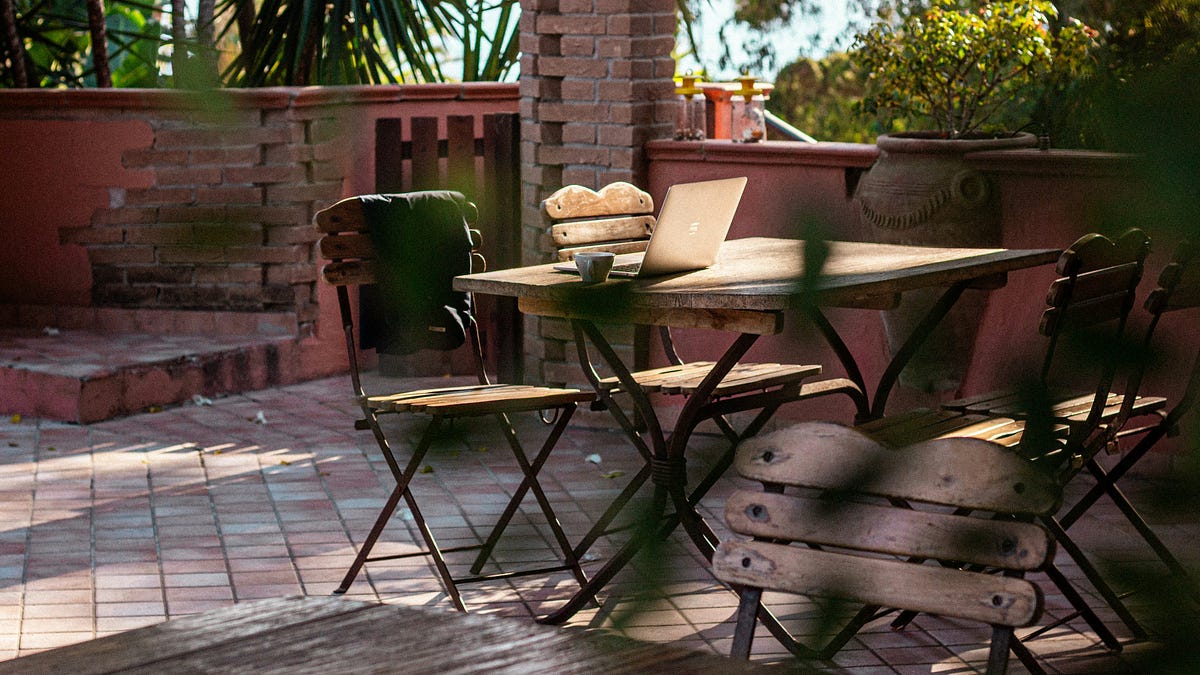
INCIDENTALLY - The Banal Horror of Jimmy Fallon
I have often used this space to ponder celebrities and writing that have my whole heart. Nic Cage. Tim Curry. Platonic love stories. Heated Rivalry.
As a card-carrying holder of Strong Feelings, I also have celebrities and writing that drive me absolutely up the wall. Top among them is the awful Jimmy Fallon. Rather than share my thoughts on why he is the absolute worst though, I share this nearly-perfect essay (with a perfect title) on the topic:
 Jon Greenaway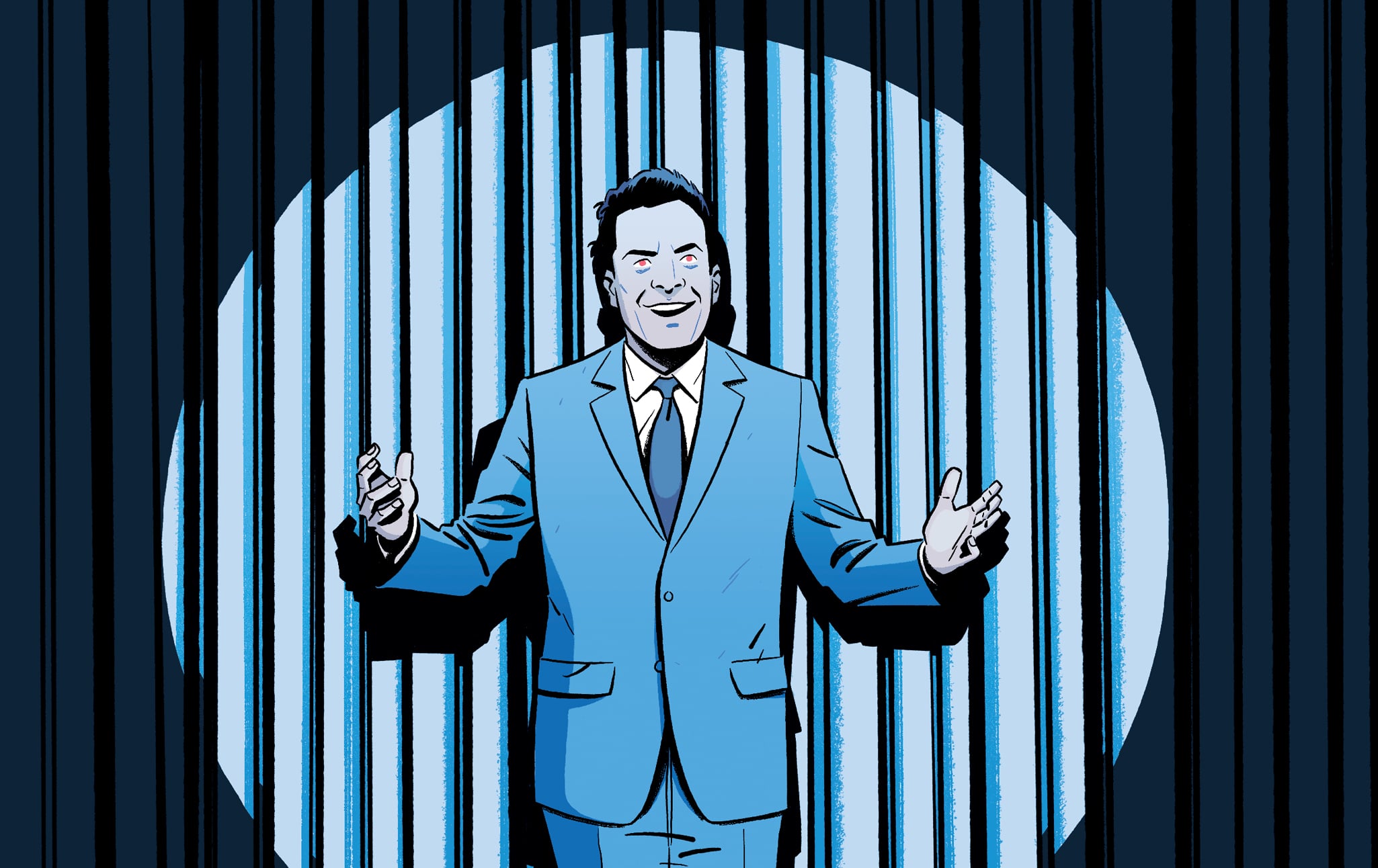
"As Altman offers up the future of his own offspring to the black box of his company’s large language model, Fallon’s grin never wavers. It is the ultimate Gothic inversion: the living child is transformed into a data set to be optimized, while the host performs a pantomime of joy to mask the sound of a tomb clicking shut."
CLICK. That's some good writing.