On the Hidden and the Important

My good buddy Jim Lang always says that April is the cruelest month in higher ed, and each April that rolls around does nothing to prove him wrong.
Hope you're doing ok out there, newsletter friends, whether you are in higher ed or not.
BE THE SPARK - Thoughts on Teaching and Learning
This month I had the pleasure of attending a bit of the American Association for Colleges and Universities' Conference on Learning and Student Success in Tucson, Arizona.
The conference theme was on courageous care. The opening panel asked us to center love in our leadership and organizational development. Kevin McClure's keynote on The Caring University was both inspiring and practical - full of actionable ideas that could transform higher ed workplaces. One of my favorite sessions was Joshua Eyler Liz Norell Catherine Denial Kevin Gannon's panel on resisting AI in teaching.
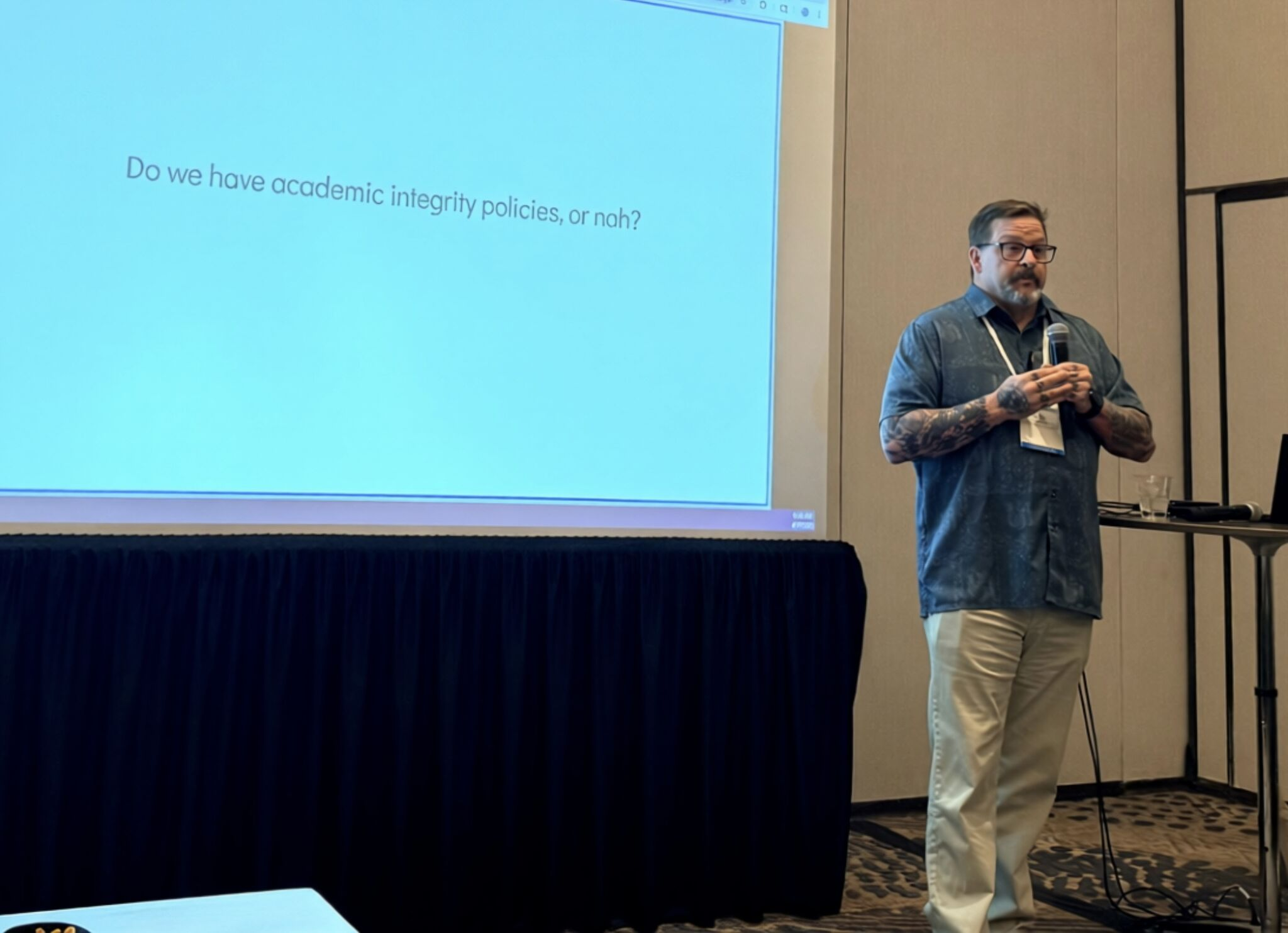
Bryan Dewsbury and I presented some of our ongoing TUnE-Bio work on improving pedagogical feedback as an act of care (slides here), and so fun to connect with some of our network members Sarah Hosch and Christelle Sabatier in person!
The TUnE-Bio network is meeting in just about a month virtually and in Boston for the first time since our 2022 incubator network meeting (we're a lot bigger now - some 40 strong). It feels a little like planning a wedding – travel, food, favors, entertainment. Like a wedding, it is a bit much beforehand, I will love it while it is happening, and I'll feel much more peaceable when it is done and I have the pictures and memories to look back on.
New book to pre-order alert! The great Tom Tobin's new book on scaling universal design for learning to increase accessibility campus-wide is available for pre-order:
 Thomas J. Tobin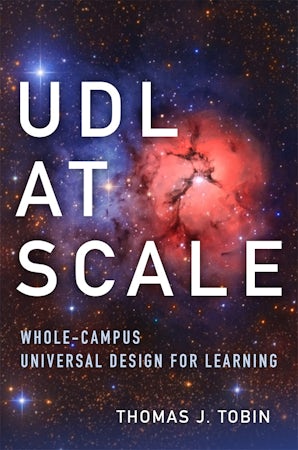
STRIVING - Emotion, Motivation, Our Synchronous Selves
I've been busy interviewing nudists and scientists and singers for the new book and also reading quite a lot. One forked reading path led me to a fascinating deep dive into the philosophy of intimacy. In my favorite thing I've read in a hot minute, philosopher Jasmine Gunkel takes on traditional accounts of intimacy which interpret intimacy through the sole lens of relationships. She argues that there are many situations in which there can be true intimacy without a formal ongoing relationship in daily lives. There can be intimacy between someone struggling with addiction and their fellow meeting attendees, for instance, even if they use a pseudonym and obscure many of the non-addiction details of their life. Or between a sex worker and their client, who know many details about the physicality of their respective bodies and sexual response but who see each other sporadically and transactionally and know nothing else about each other.
Gunkel argues that a better model of intimacy that accounts for these additional cases of intimacy outside true relationships involves the hidden and the important – that we become intimate with another person when we begin to reveal aspects of ourselves that are hidden to most people, and when those revealed aspects are also important to one's sense of self. You might keep the act of clipping your toenails hidden from most people, but you wouldn't feel intimate with someone if they accidentally observed you, because toenail clipping is not important. In contrast, something that is not hidden is by definition out in the open, and it does not increase intimacy for someone to know it even if it is important. Intimacy exposes us, and it exposes something important – even when it is a glancing encounter. "To understand intimacy," Gunkel says, "we must understand this sense of exposure, of a hidden core revealed." She calls this an intimate zone.
According to Gunkel, we both long for and are repulsed by intimacy. It draws us together, but it also makes us vulnerable. We crave to be known, but we also dread being seen. She concludes that intimacy is inherently risky, but that so are most "tremendously rewarding" things in life.
OUR MONSTERS, OURSELVES - Uncertainty, Challenges, Mental Health
Also for the book (it is due in November, I have to work quickly) I have been reading and researching the connections between the natural world and our well-being. One of my happy people interviewees will be affective psychologist Lani Shiota, who studies the emotion of awe – its causes and correlates (nature is a strong theme), its adaptive origins, and its effects on our cognition.
In PSYCHE magazine this month, the philosopher Céline Leboeuf explores the role that awe at the natural world might play in easing body dissatisfaction. She recounts her own lifelong struggle with disordered eating, with how the relentless drumbeat of social demands for bodies that are thinner, thinner, smaller, smaller, encourages a narrowed, narcissistic focus on one own's body and all of its perceived failings.
Lebouef argues that conventional approaches to alleviating body dissatisfaction just focus the problem back inward, or actually encourages more attention to the self. Instead, she unexpectedly finds that the most effective distance she gets from her body-related concerns is when she immerses herself in natural vistas that direct her attention outward instead. The encircling worries fade from view, and she is reassured. During her recovery, she would go for regular morning walks on the bay of Miami. "The sight of the shimmering sun rising from behind the water always breathed life into me," she writes. "But it wasn’t until I neared the end of counselling that I saw those brilliant views as a balm for my body image issues." Sometimes, dolphins splashed in the water. Sometimes, she likely forgot she even had a body.
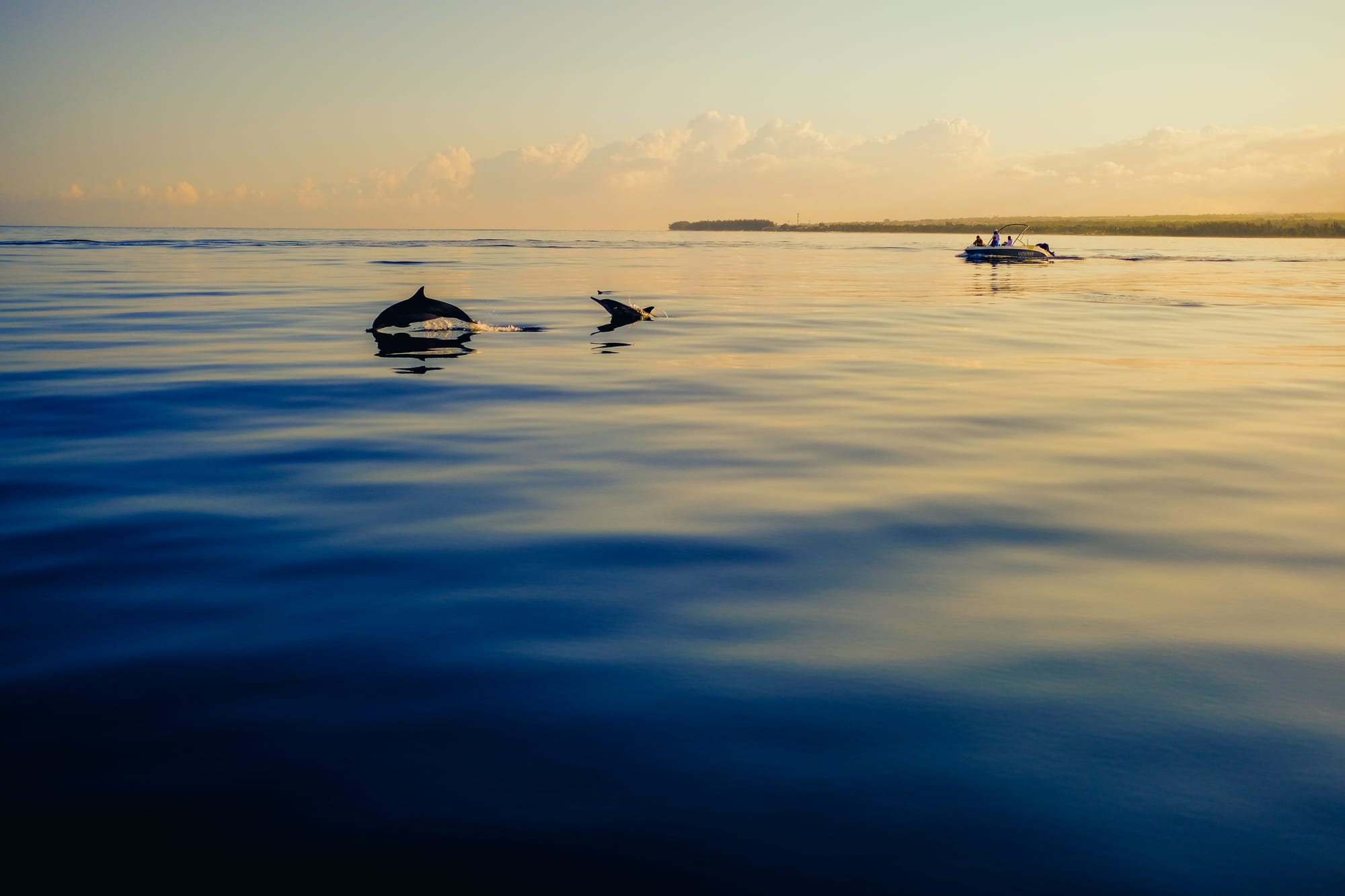
There are so very many emotional and cognitive benefits to time in nature – now we can add one more.
INCIDENTALLY - Happy Birthday, Tim Curry
It is difficult to overstate the parasocial stamp the actor Tim Curry had on my adolescence. His to-his-toes delight playing a sensual, scene-chewing Darkness in the luminous Legend was an awakening for me on more than one level. One summer my cousins and I were rained into a vacation home in Oak Bluffs for a week and we watched Clue so many times in a row that quoting his lines back and forth to each other is a part of our love language all these decades later. And my relationship with my spouse began one night when I discovered he had never seen Rocky Horror Picture Show and needed to rectify that immediately. (Don't Dream It, Be It).
Tim Curry, like Prince, like Nic Cage, has always thrown his entire everything into every thing he does, every role he inhabits, with no concern for whether people will find him cringey, or over-the-top, or low-brow. I love him for it.
Every time I see his name pop up in the news, I tense, expecting the worst - but thankfully, his name is in the internet ether because today is his 80th birthday.

Happy birthday, Tim Curry.